
What Is Vedic Meditation? A Beginner's Guide
Learn Vedic Meditation in Adelaide
What Is Vedic Meditation?
During my postgraduate neuroscience studies, I became interested in how stress affects the brain and nervous system. One reason I was drawn to Vedic Meditation is that it offers a practical way to help people experience deep rest in everyday life.
Vedic Meditation is a simple, effortless meditation technique originating from the ancient Vedic tradition of India. Practised for thousands of years, it is designed to allow the mind to settle naturally into quieter levels of awareness, creating a state of deep rest for both the mind and body.
Unlike many modern meditation techniques, Vedic Meditation does not require concentration, controlling the mind, or attempting to stop thoughts. Instead, practitioners use a personalised mantra taught by a qualified teacher. The mantra is used gently and effortlessly, allowing the mind to move beyond surface thinking and experience a profound state of rest.
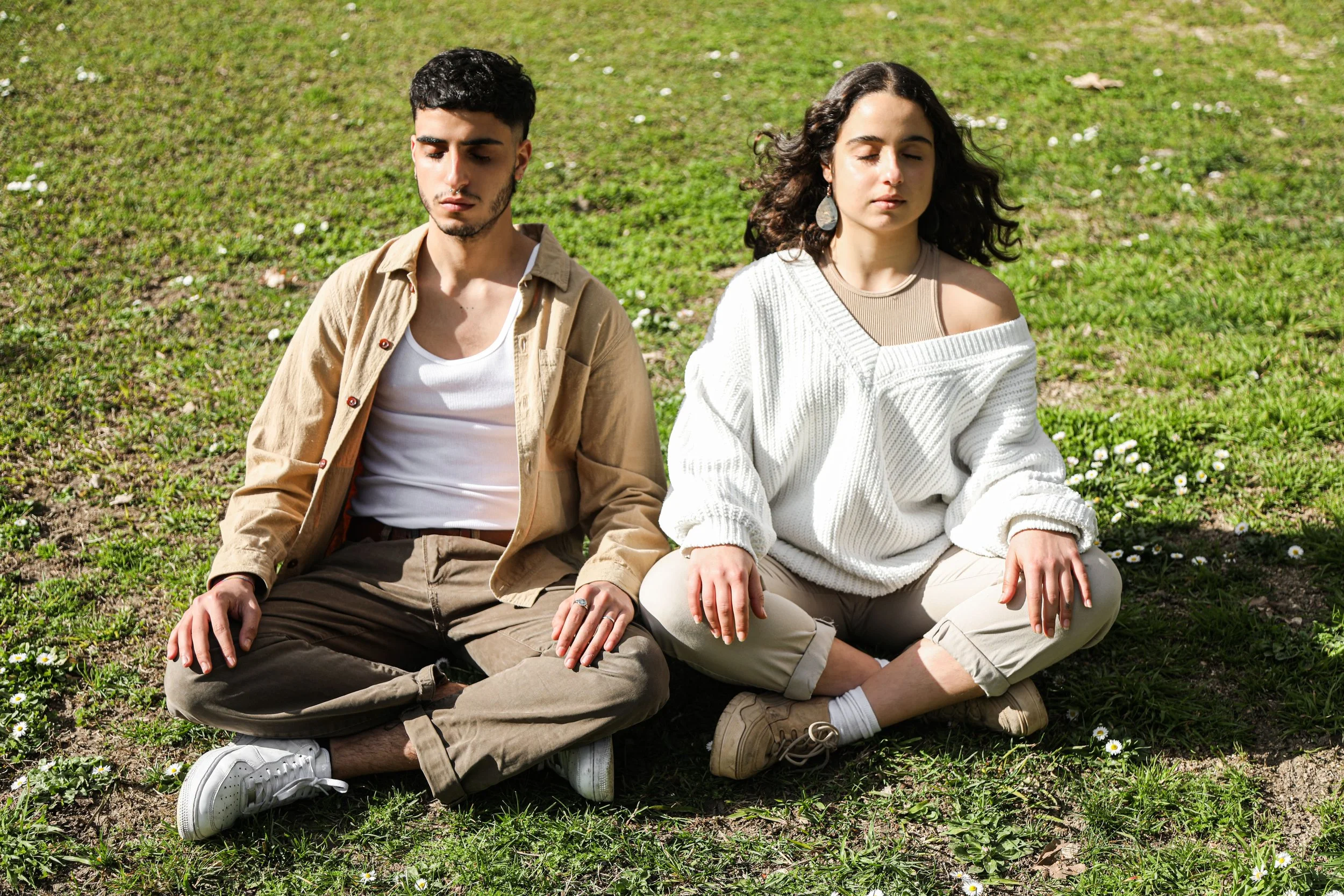
The technique is typically practised for 20 minutes twice a day while sitting comfortably with the eyes closed. It can be easily integrated into a busy lifestyle and requires no special equipment, beliefs, or previous meditation experience.
How Does Vedic Meditation Work?
Modern life places constant demands on the nervous system. Work deadlines, family responsibilities, digital devices, and endless streams of information can leave many people feeling mentally exhausted and unable to switch off.
Vedic Meditation works by allowing the mind to access a quieter state that is often described as restful alertness. During practice, the body may enter a deeply restorative state while the mind settles naturally inward.
Many students report feeling calmer, clearer, and more energised after meditation. Rather than adding another task to the day, Vedic Meditation can become a period of genuine rest that supports greater resilience and wellbeing.
What Makes Vedic Meditation Different?
There are many forms of meditation available today, and understanding the differences can help you find the approach that best suits you.
Mindfulness Meditation
Mindfulness meditation typically involves paying attention to present-moment experiences such as breathing, bodily sensations, thoughts, or emotions. The aim is often to cultivate awareness and observation without judgement.
Concentration Meditation
Concentration-based techniques involve focusing attention on a single object such as the breath, a candle flame, a visual image, or a sound. When the mind wanders, attention is gently redirected back to the chosen focus.
Vedic Meditation
Vedic Meditation takes a different approach. Rather than concentrating or observing, it allows the mind to follow its natural tendency toward greater ease and less mental effort. Because the practice is effortless, many people find it easier to maintain than techniques that require sustained focus or mental control.
Thoughts are not considered a problem during meditation. They are simply part of the process, and there is no need to force the mind to become quiet.
The Neuroscience of Meditation and Stress
One misconception I often encounter is that meditation is primarily about relaxation. From a neuroscience perspective, a more useful way to think about meditation is as a practice that may help the brain and nervous system recover from the effects of ongoing stress.
In recent decades, neuroscientists have become increasingly interested in understanding how meditation affects the brain and nervous system.
When we experience stress, the body's stress-response systems become activated. This response is useful in short bursts but can become problematic when stress becomes chronic. Prolonged activation of stress pathways may contribute to fatigue, poor sleep, difficulty concentrating, anxiety, and reduced emotional resilience.
Research suggests that meditation may help reduce physiological markers associated with stress, including cortisol levels, blood pressure, and heart rate. Studies have also identified changes in brain regions involved in emotional regulation, self-awareness, learning, and memory.
While researchers continue to investigate the exact mechanisms involved, the evidence suggests that regular meditation may help support the brain's ability to respond to stress more efficiently over time.
For many people, one of the appealing aspects of Vedic Meditation is that these benefits can be experienced through an effortless practice rather than through concentration or mental discipline.
What Are the Benefits of Vedic Meditation?
People learn Vedic Meditation for many different reasons. While individual experiences vary, commonly reported benefits include:
Reduced stress and anxiety
Improved sleep quality
Increased mental clarity and focus
Greater emotional resilience
Enhanced creativity and problem-solving
Improved energy levels
Better work-life balance
A greater sense of calm and wellbeing
Many students find that the cumulative effect of regular practice becomes noticeable over weeks and months as they feel more balanced and less reactive to everyday stress.
Who Is Vedic Meditation Suitable For?
One of the strengths of Vedic Meditation is its accessibility.
Students come from a wide range of backgrounds including business professionals, healthcare workers, teachers, tradespeople, retirees, parents, and university students.
The technique is particularly well suited to people who:
Feel constantly busy or mentally overloaded
Struggle to switch off at night
Have tried meditation before but found it difficult
Want a practical approach to stress management
Are interested in improving focus, wellbeing, and resilience
No previous meditation experience is required.
Learning Vedic Meditation in Adelaide
If you're interested in learning Vedic Meditation in Adelaide, personal instruction is traditionally recommended. Learning directly from a qualified teacher ensures the technique is taught correctly and gives students an opportunity to ask questions and receive ongoing support.
Many people seek out meditation because they are feeling stressed, overwhelmed, or disconnected from a sense of calm. Others are interested in improving performance, sleep, creativity, or overall wellbeing.
At DharmiCalm, Vedic Meditation is taught in a way that respects the traditional origins of the technique while making it practical and accessible for modern life. Whether your goal is stress reduction, improved focus, better sleep, or simply finding more balance in a busy world, learning the technique correctly can help establish a sustainable long-term practice.
Many of my Adelaide students are busy professionals, healthcare workers, parents, and business owners who are looking for practical tools to manage stress and improve wellbeing.
Getting Started
One of the most common misconceptions about meditation is that you need to clear your mind or stop thinking. In Vedic Meditation, neither of these is required.
The technique is designed to be simple, natural, and effortless. By allowing the mind to settle inward, many people discover a level of rest and calm that is difficult to achieve through willpower alone.
If you've been curious about meditation but felt intimidated by the idea of concentration or mental control, Vedic Meditation may offer a refreshing alternative. A small investment of time each day can become a powerful tool for navigating the demands of modern life with greater clarity, resilience, and ease.
Further Reading
Beginning a meditation practice often raises new questions about how meditation works, why it can be beneficial, and what to expect along the way. If you'd like to explore these topics further, the following articles may be helpful:
What Happened to My Attention Span? How Meditation Improves Focus – Explore how meditation may help support attention, concentration, and mental clarity in an increasingly distracted world.
How Meditation Promotes Relaxation and Reduces Stress – Learn how meditation can help calm the nervous system and support greater balance, resilience, and wellbeing.
Debunking 5 Common Meditation Myths – Discover why many common assumptions about meditation are inaccurate and why the practice is often far simpler and more accessible than people expect.
Whether you're interested in improving focus, managing stress, or developing a deeper understanding of meditation, these articles provide practical insights to support your journey.
Ready to Learn Vedic Meditation in Adelaide?
If you've been curious about meditation but aren't sure where to begin, learning Vedic Meditation could be the first step towards a calmer, clearer, and more balanced life. Whether you're looking to reduce stress, improve your wellbeing, or simply discover what meditation is all about, I'd love to help you explore whether the technique is right for you.
To learn more or enquire about upcoming Vedic Meditation courses in Adelaide, visit the DharmiCalm Contact Page: https://www.dharmicalm.com.au/contact
About the Author
Cherie Foran is a Vedic Meditation teacher and postgraduate neuroscience student with a particular interest in stress, brain health, and the science of meditation. Through DharmiCalm, she helps people develop practical meditation skills that support wellbeing in everyday life.